

Comparison table
This is the fastest way to shortlist. Prices move constantly, so we focus on fit: workflow, learning curve, and what you give up under $500.
| Machine | Type (Manual / Semi-Automatic) | Best for | Typical price range | Verdict |
|---|---|---|---|---|
| Breville Barista Express | Semi-automatic (built-in grinder) | All-in-one value + learning espresso | $450–$500 (sale-dependent) | Best overall under $500 when priced right |
| Gaggia Classic Pro | Semi-automatic (machine only) | Control + long-term platform (with a real grinder) | $450–$500 (machine only) | Best for enthusiasts who want to learn |
| De’Longhi Stilosa | Semi-automatic (entry-level) | Lowest-cost entry to espresso-style drinks | $120–$200 | Best ultra-budget starter |
| De’Longhi ECP3420 | Semi-automatic (entry-level) | Simple routine + sturdier “starter” feel | $150–$250 | Best simple starter under $250 |
| Mr. Coffee Café Barista | Semi-automatic (simplified + milk drinks) | Easy cappuccinos/lattes with less technique | $180–$300 | Best convenience pick for milk drinks |
Pick by personality
Don’t overthink it. Pick the workflow you’ll actually enjoy, then scroll to the matching machine.
I want the easiest “complete” setup
Built-in grinder + faster path to daily lattes.
Answer: Breville Barista Express
I want to learn and improve
More hands-on, better long-term platform.
Answer: Gaggia Classic Pro
I want the cheapest safe start
Espresso-style drinks without turning it into a hobby.
Answer: De’Longhi Stilosa
Canada notes
This guide is written for Canada-friendly shopping and ownership. Availability and pricing can differ from U.S.-focused lists.
Pricing + sales
- “Under $500” often depends on sales (especially all-in-ones).
- If a pick is slightly over budget, consider waiting for a promo cycle.
- Our ranges are a reality check, not a guarantee.
Warranty + returns
- Check seller and return windows for small appliances.
- Keep original packaging during the first weeks of ownership.
- If you’re new to espresso, prioritize models with easy parts availability and tutorials.
How we picked
We prioritize repeatability and daily usability over spec-sheet hype. Under $500, good espresso is mostly about a stable routine.
What we value
- Repeatable workflow: easy to get “similar shots” day to day.
- Learning curve: beginners can improve without feeling punished.
- Milk workflow: realistic latte/cappuccino routine and cleaning.
- Ownership: parts, tutorials, community knowledge, longevity.
What we ignore
- Marketing “bar” numbers as a promise of quality.
- Feature clutter that doesn’t improve cup results.
- One-off perfect shots that can’t be repeated reliably.
More detail here: How we test. About us: About.
Quick picks
The best espresso machines under $500 aren’t “the most specs” — they’re the ones you’ll actually enjoy using daily. These picks focus on repeatability, workflow friction, maintenance reality, and value in Canada.
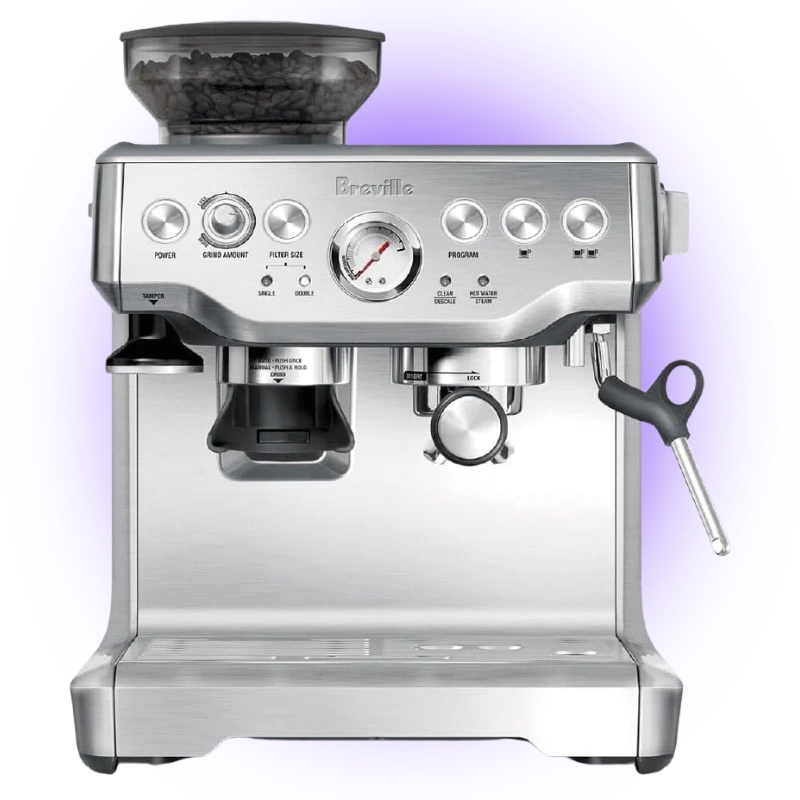
Breville Barista Express (BES870XL)
The classic “least-regret” all-in-one: built-in grinder, huge community support, and a real espresso learning curve.
Best for
- Real espresso + milk drinks at home
- Beginners who want to learn dialing-in
- One-box setup (machine + grinder)
Trade-offs
- Needs dial-in (grind/dose) for best shots
- Often requires a discount to stay under $500
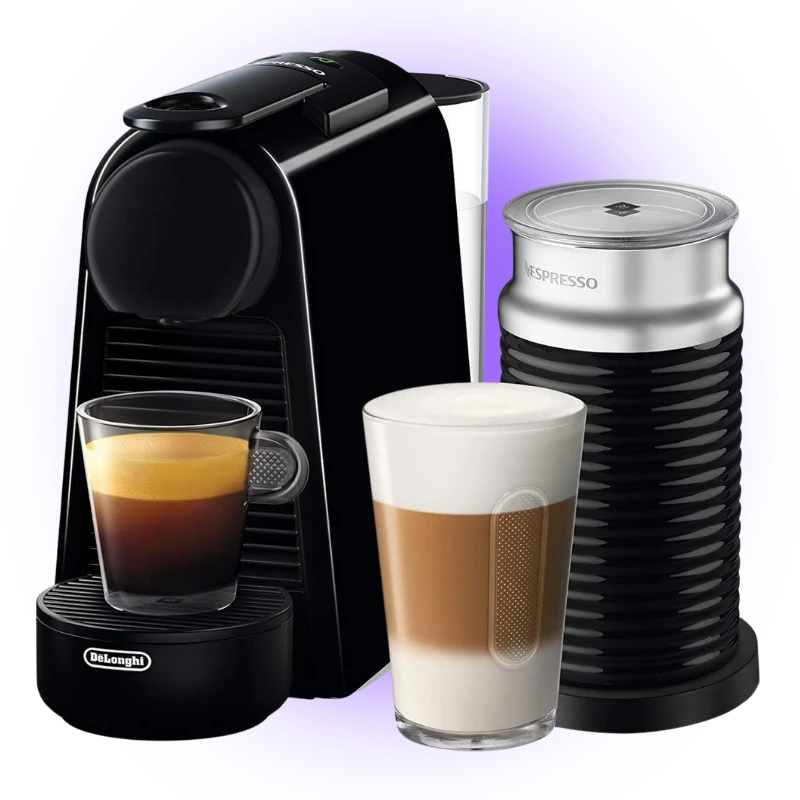
Nespresso Essenza Mini + Aeroccino
The easiest “great-enough every day” setup: fast routine, minimal cleanup, consistent milk drinks.
Best for
- Busy mornings and small counters
- Consistent cappuccinos without tinkering
- Low-maintenance routine
Trade-offs
- Ongoing capsule cost
- Less control than semi-auto espresso
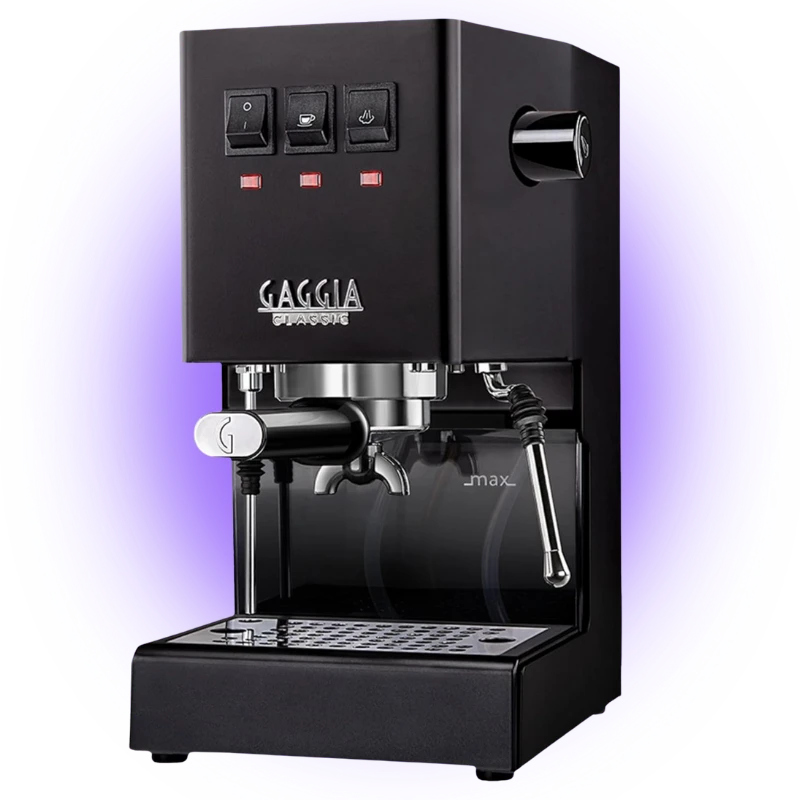
Gaggia Classic Evo Pro
A true enthusiast starter: rewards good technique and a good grinder with better long-term potential.
Best for
- Learning espresso properly
- People who enjoy routine and control
- Upgrades/community support
Trade-offs
- Not an all-in-one: grinder matters
- More effort per drink vs capsule
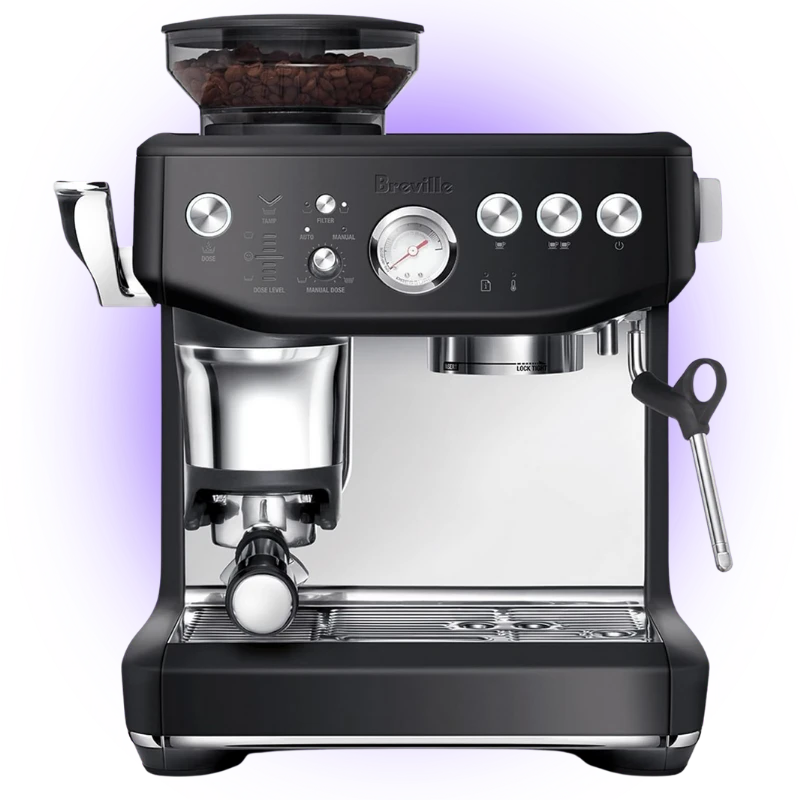
Breville Barista Express Impress (BES876BTR)
More repeatable puck prep, less early frustration. Great for learning with fewer “why is my shot bad?” moments.
Best for
- Beginners who want guided workflow
- Home lattes with less trial-and-error
- Consistency and fewer puck-prep mistakes
Trade-offs
- Often above $500 (sale-dependent)
- Still needs dial-in grind settings
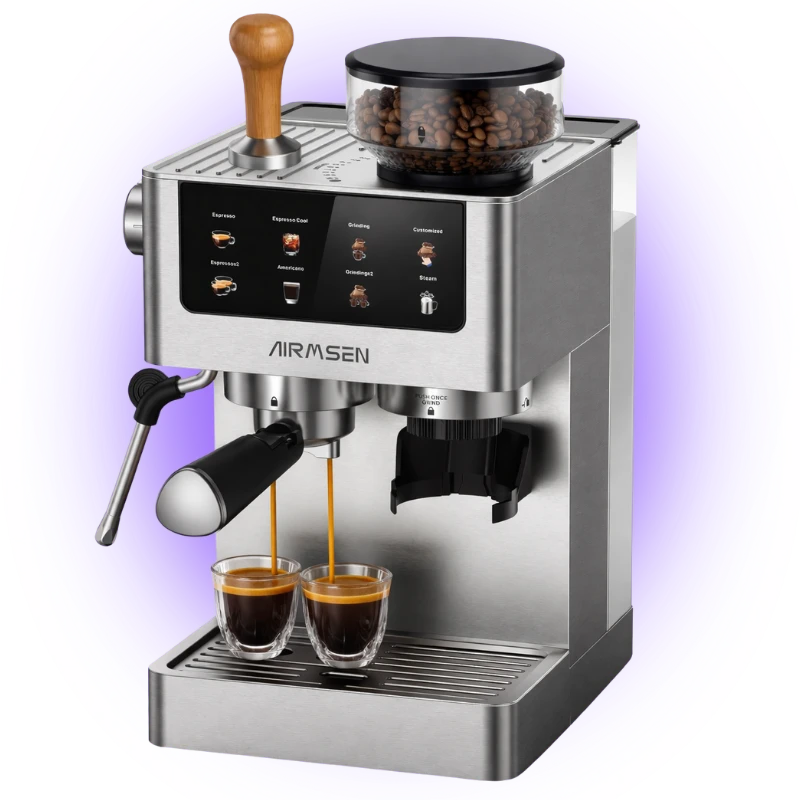
AIRMSEN Espresso Machine (with Burr Grinder)
A simpler “buy once” starter setup if you don’t want to shop for a separate grinder right away.
Best for
- First-time buyers who want fewer decisions
- One-box footprint (no separate grinder)
- Budget semi-auto workflow
Trade-offs
- Less upgrade flexibility vs separate grinder
- All-in-ones can vary by build consistency
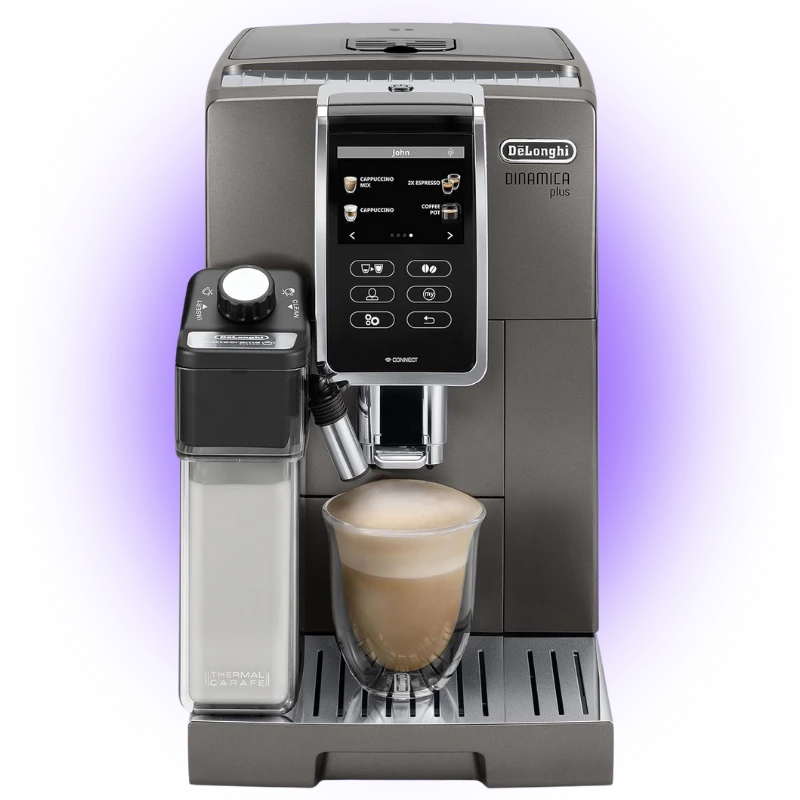
De’Longhi Dinamica Plus
Not always under $500, but the “button-press latte” benchmark. Keep it if you want an upgrade path on-page.
Best for
- Very low-effort daily routine
- Milk drinks without learning steam technique
- Households that value convenience
Trade-offs
- Usually above $500
- Less manual espresso control
Video: quick overview
Prefer to watch first? Here’s a short overview to help you understand what matters most under $500. (Note: product availability can vary, so use the picks above as the source of truth for this page.)
Tip: if the video recommends different models, rely on this page’s comparison table and picks above.
Detailed picks
Short, honest ownership notes. The goal is to match the machine to your daily routine, not to sell you specs.
Breville Barista Express (BES870XL)
The best “all-in-one” under-$500 pick when it’s on sale. You get a real espresso workflow (grind, dose, tamp, pull) without buying separate gear on day one.
Pros
- Machine + grinder in one footprint
- Great learning platform (tons of tutorials)
- Good milk workflow for lattes/cappuccinos
Cons
- Dial-in is required (grind + dose matters)
- Price needs a deal to stay under $500
Best for: most people who want “real espresso” under $500 and will learn a simple routine.
Clear verdict: Best value under $500 when it’s discounted.
Gaggia Classic Evo Pro
Control-first and skill-building. It can produce excellent shots with the right grinder, but it’s a “machine-only” path, not an all-in-one.
Pros
- High potential shot quality
- Huge community and upgrade knowledge
- Great for learning technique
Cons
- You still need a grinder budget
- More hands-on routine than capsule
Best for: people who enjoy learning and want a long-term semi-auto platform under $500 (when priced right).
Clear verdict: Best “learn espresso seriously” pick under $500 if you’re adding a grinder.
Nespresso Essenza Mini + Aeroccino
Small, fast, consistent. Capsule is the “wake up and win” workflow: almost no cleanup, and your results are repeatable day-to-day.
Pros
- Very low friction routine
- Compact footprint
- Milk frother included
Cons
- Ongoing capsule cost
- Less control vs semi-auto
Best for: convenience-first espresso-style drinks under $500.
Clear verdict: The easiest “good enough, every day” espresso-style setup under $500.
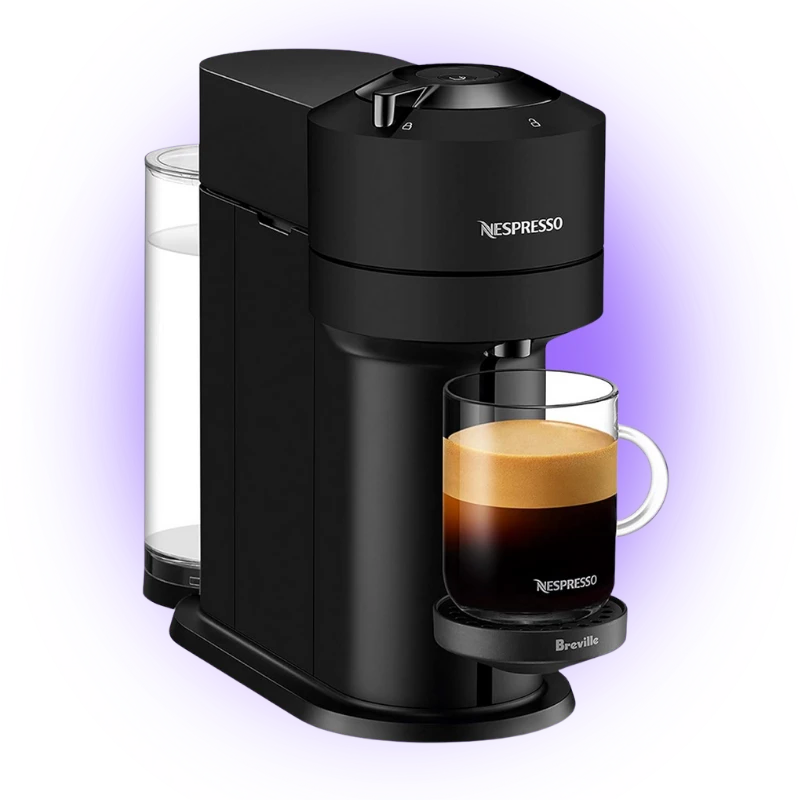
Nespresso Vertuo Next (Breville) + Aeroccino
If you want espresso-style plus larger cups, Vertuo gives variety with the same “push-button” convenience. It’s about speed and consistency, not dialing-in.
Pros
- Fast, minimal cleanup
- More drink variety than OriginalLine
- Great for mixed households
Cons
- Vertuo pod cost
- Not “true espresso dialing” control
Best for: convenience + variety under $500.
Clear verdict: Best capsule choice when you want more than tiny espresso shots.
AIRMSEN Espresso Machine (with Burr Grinder)
A one-box budget option: semi-auto workflow with a built-in burr grinder. It’s for people who want “everything in one purchase” under $500 without overthinking the setup.
Pros
- All-in-one purchase under $500
- Lower barrier to getting started
- More “real espresso” steps than capsule
Cons
- Long-term durability/support can vary vs big brands
- Results still depend on dial-in and puck prep
Best for: first-time buyers who want an all-in-one under $500 and prefer a single checkout.
Clear verdict: Best “one-box budget semi-auto” pick under $500.
What you can expect from an espresso machine under $500
Pressure
Many budget machines advertise high “bar” numbers, but pressure claims are not a guarantee of great espresso. In real kitchens, shot quality depends more on grind consistency, coffee freshness, and repeatable preparation than marketing specs.
Build quality
Under $500, expect more plastic and lighter components compared to premium machines. Some models feel sturdier and more serviceable than others, but overall you’re paying for function and value rather than luxury materials.
Grinder expectations
The grinder is the most important piece for espresso consistency. If your machine does not include one, budget for a capable grinder. A built-in grinder can be convenient, but dedicated grinders typically offer better precision and repeatability.
Milk frothing
You can make lattes and cappuccinos under $500, but ease varies. Manual steam wands reward practice. Simplified milk systems reduce technique, but add cleaning steps that you should not skip.
Common compromises
- Less temperature stability and fewer advanced controls
- More reliance on technique for consistent shots
- Entry-level grinders (or no grinder included)
- More “value” materials and less premium feel
Manual vs semi automatic espresso machine under $500
The biggest choice at this budget is how much control you want versus how much routine you’re willing to manage. Semi-automatic machines are the most common under $500. Manual options can be rewarding, but typically require more steps and patience.
Semi-automatic
- Choose this if: you want a classic espresso workflow (pump-driven extraction) and milk steaming.
- What it’s like: you control grind, dose, tamp, and timing. Results improve fast with practice.
- Best fit: beginners to intermediates who want to learn and improve.
Manual
- Choose this if: you enjoy hands-on control and don’t mind more steps per drink.
- What it’s like: more user input, often more variability. Great learning, slower routine.
- Best fit: people who enjoy the process as much as the drink.
FAQ
Is $500 enough for real espresso?
Is a built-in grinder necessary?
Capsule machines vs espresso machines under $500: which should you choose?
Are cheap espresso machines worth it?
What matters most for espresso quality under $500?
Want the full roundup? Best Espresso Machines (2026).
Conclusion: choose confidently under $500
Best overall under $500 (when discounted): Breville Barista Express for a complete machine + grinder setup. Best for learning and long-term control: Gaggia Classic Pro (plan a proper grinder). Best beginner convenience for milk drinks: Mr. Coffee Café Barista.
Written by HomeEspressoLab Editorial Team • Method: How we test • Updated: 2026-02-04